What is an ACL tear?
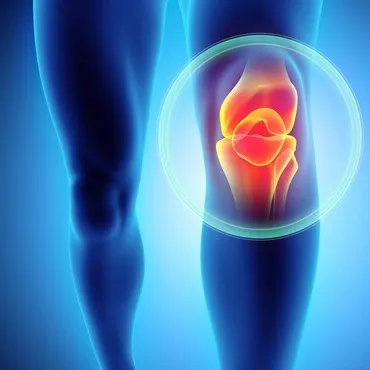
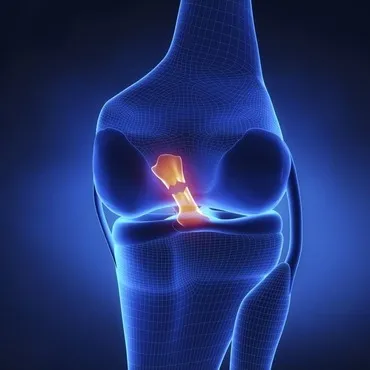
The anterior cruciate ligament (ACL) is an important ligament inside the knee joint that controls the forward sliding of the shin bone and the rotation of the knee. A partial or complete tear of this ligament is called an ACL tear.
The injury usually happens during sport, through movements such as a sudden twist of the knee while the foot is planted, a quick change of direction, a sudden stop or landing badly from a jump. It is common in football, basketball, volleyball and skiing. A hard blow to the knee can also tear the ACL. Meniscus or other ligament injuries often occur alongside it.
What are the symptoms?
- A “pop” or a tearing sensation in the knee at the moment of injury
- Sudden pain and marked swelling that develops quickly
- Difficulty putting weight on and moving the knee
- A feeling of the knee giving way, slipping or being unstable
- Restriction in fully bending or straightening the knee
The injury is usually felt immediately; once the swelling goes down the pain may ease, but the feeling of the knee giving way can persist, especially during twisting movements.
If you heard a sound in your knee during sport or after a blow and it swelled quickly, you cannot put weight on it, or the knee looks deformed, see a physician without delay. The diagnosis is made by a physician’s examination and an MRI.
How is it treated with physiotherapy?
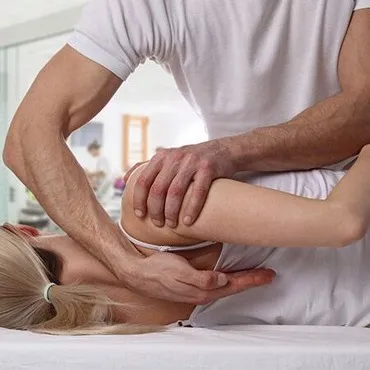
Physiotherapy for an ACL tear aims to stabilize the knee, increase muscle strength and restore function. The program progresses in stages:
- Early stage: Controlling swelling and pain, and movement work to help the knee straighten fully
- Strengthening: Progressive exercises for the front and back of the thigh, the hip and the calf
- Stretching and range of motion: To regain the knee’s bending and straightening range
- Balance, coordination and proprioception: To improve the knee’s position sense and control
- Preparing to return to sport: Running, jumping and change-of-direction drills, plus training to help prevent re-injury
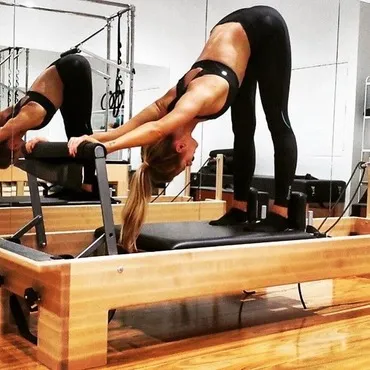
Later on, controlled resistance exercise such as reformer pilates can be added. If you had surgery, physiotherapy forms the basis of rehabilitation, in line with your surgeon’s protocol.
Treatment is tailored to the severity of the injury and your goals. Find out more on our knee pain page, and contact us for rehabilitation at our physiotherapy clinic in Şişli, Mecidiyeköy, or at your home.
The information on this page is for general guidance only and does not replace diagnosis or treatment. Please consult a healthcare professional about your symptoms.