What is carpal tunnel syndrome?
On the palm side of the wrist there is a narrow channel formed by bones and a thick ligament: the carpal tunnel. The tendons that bend the fingers and the median nerve pass through it. When the tunnel narrows or the tissues inside it swell, the median nerve gets compressed; this is called carpal tunnel syndrome.
Risk factors include long hours of computer use, work that keeps the wrist bent or involves vibrating tools, repetitive hand movements, pregnancy, diabetes, thyroid disease and rheumatic diseases. It is more common in women.
What are the symptoms?
- Numbness and tingling in the thumb, index finger, middle finger and half of the ring finger
- Pain and numbness that get worse especially at night and wake you up
- Relief when you shake your hand
- Weakness in the fingers, dropping things, difficulty doing up buttons
- Pain in the wrist and an ache spreading to the forearm
Symptoms are usually triggered by repetitive hand movements or long periods of computer use.
If the muscles at the base of the thumb are getting thinner (wasting), numbness becomes constant, or you notice a marked loss of strength in the hand, see a physician without delay. How much the nerve is affected is determined by a physician’s examination and, if needed, a nerve conduction test (EMG).
How is it treated with physiotherapy?
Physiotherapy for carpal tunnel syndrome aims to reduce pressure on the nerve and preserve hand function:
- Nerve and tendon gliding exercises: To help the median nerve and tendons move more freely inside the tunnel
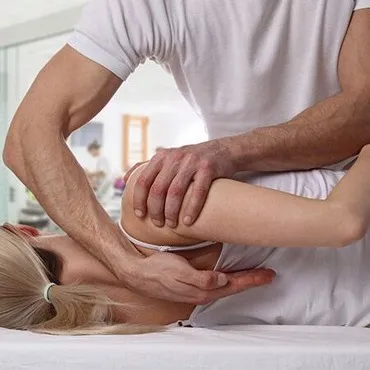
- Stretching and mobilization techniques: For the wrist and forearm
- Wrist splint: Especially at night, to keep the wrist in a neutral position
- Posture and workplace ergonomics: Keyboard and mouse setup, regular breaks, neck and shoulder posture
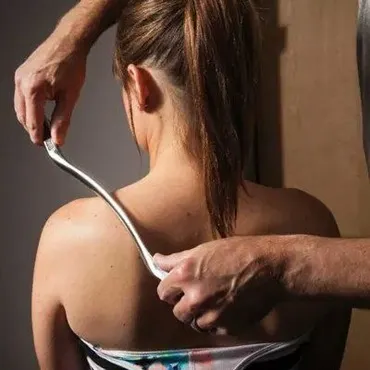
- Soft tissue work: Manual therapy or the Graston technique for the forearm muscles
Physical therapy methods for pain control may also be added. Treatment is tailored to your situation and symptoms. For an assessment, visit our physiotherapy clinic in Şişli, Mecidiyeköy, or use our home physiotherapy service in Istanbul.
The information on this page is for general guidance only and does not replace diagnosis or treatment. Please consult a healthcare professional about your symptoms.