What is a cervical disc herniation?
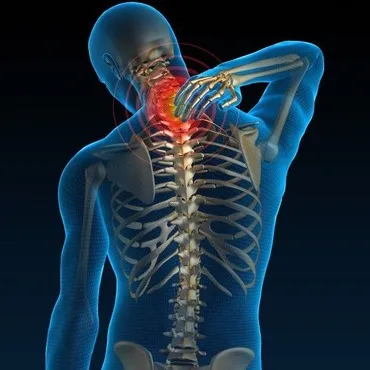
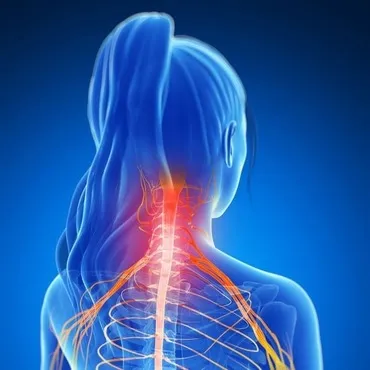
Between the vertebrae of the neck are discs that work like shock-absorbing cushions. When the outer layer of a disc weakens and tears over time, the soft core inside can bulge out and press on the spinal cord or the nerve roots leaving it. This is called a cervical disc herniation, often referred to as a neck hernia or herniated disc in the neck.
Working hunched forward for long periods, phone use, poor posture, heavy lifting, injuries and age-related disc wear can all increase the risk.
What are the symptoms?
- Neck pain and stiffness
- Pain spreading to the shoulder, shoulder blade and arm
- Headache, especially at the back of the head
- Weakness in the arms and difficulty holding objects
- Numbness and tingling in the hands and fingers
These symptoms come from pressure on the nerve roots or the spinal cord. The pain usually gets worse with neck movement or after staying in the same position for a long time.
If you have marked and increasing weakness in your arms or legs, unsteadiness when walking, loss of dexterity in your hands (such as difficulty doing up buttons) or problems controlling your bladder or bowels, see a physician without delay.
How is it treated with physiotherapy?
Physiotherapy for a cervical disc herniation is built around posture training and exercises that strengthen and stretch the neck muscles. Strengthening the deep neck muscles in particular helps support the neck vertebrae.
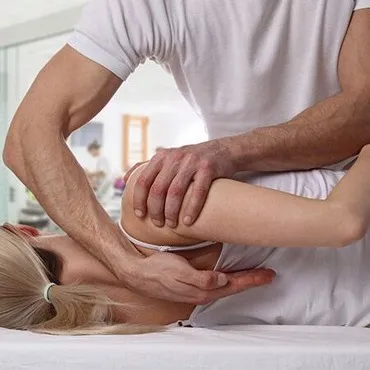
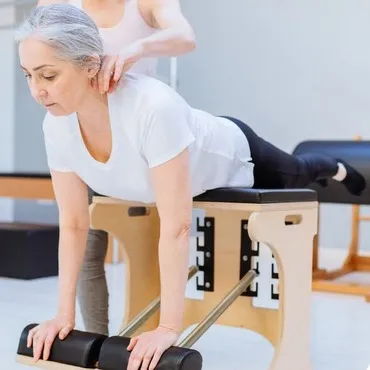
In addition, manual therapy with spinal mobilization and soft tissue techniques can be used to reduce pain and muscle tension. Once the pain has eased, clinical pilates aims to reduce the load on the neck by strengthening the core and upper back muscles.
Treatment is planned individually, according to your condition, the level of the herniation and your symptoms.
Tips for daily life
- Bring your screen to eye level and hold your phone closer to your face.
- Every 30–45 minutes, take a short break and move your neck and shoulders.
- Avoid carrying heavy loads on one shoulder.
For more information, see our neck pain page, or get in touch for an assessment at our physiotherapy clinic in Şişli, Mecidiyeköy, or at your home.
The information on this page is for general guidance only and does not replace diagnosis or treatment. Please consult a healthcare professional about your symptoms.