What is fibromyalgia?
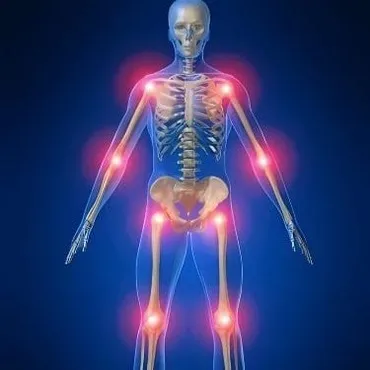
Fibromyalgia is a chronic condition marked by widespread, long-lasting muscle pain felt in many parts of the body, together with fatigue, sleep problems and increased sensitivity to touch. It does not cause permanent damage to the muscles or joints; the pain is thought to be linked to changes in how the nervous system processes pain signals.
It is more common in women. Stress, poor sleep, inactivity and some infections or physical injuries can trigger or worsen the symptoms.
What are the symptoms?
- Widespread pain on both sides of the body, in both the upper and lower body
- Fatigue and weakness that do not improve with rest
- Difficulty falling asleep or unrefreshing sleep
- Muscle stiffness and tension in the morning
- Headaches
- Poor concentration and focus problems (“fibro fog”)
These symptoms usually last a long time, come and go in intensity, and can affect quality of life.
If you have marked swelling and redness in the joints, unexplained weight loss, fever or a clear loss of muscle strength, or if your symptoms have not yet been diagnosed, see a physician first. These signs may point to other conditions.
How is it treated with physiotherapy?
The foundation of physiotherapy for fibromyalgia is exercise that is increased gradually:
- Aerobic exercise: Regular, low-intensity activity such as walking
- Muscle strengthening: Programs that start with light resistance and progress slowly
- Stretching: To reduce muscle stiffness and tension
- Relaxation and breathing techniques: To help manage stress and support sleep quality
In addition, manual therapy and soft tissue techniques can be used to help reduce pain and ease muscle tension. Mat pilates or clinical pilates, started at a low intensity, can make the move to regular activity easier.
The treatment plan is tailored to your symptoms, daily routine and exercise tolerance, and runs alongside the treatment recommended by your physician. You can get support at our physiotherapy clinic in Şişli, Mecidiyeköy, or with our home physiotherapy service in Istanbul.
The information on this page is for general guidance only and does not replace diagnosis or treatment. Please consult a healthcare professional about your symptoms.