What is a herniated disc?
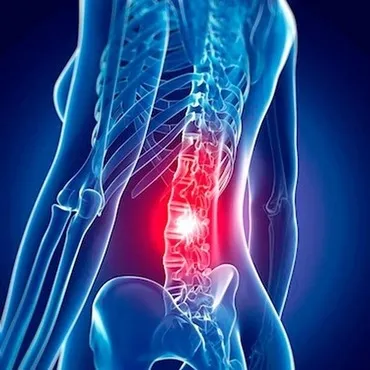
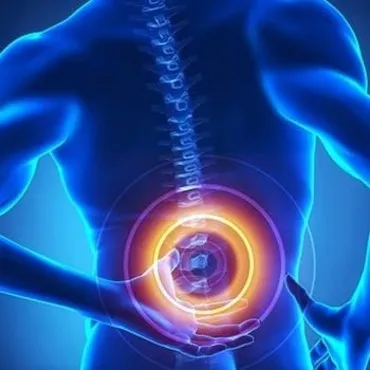
The discs between the vertebrae act as cushions. Over time, the outer layer of a disc can weaken and crack. The soft core inside can then bulge out and press on the nerve roots leaving the spinal cord. This is called a herniated disc (lumbar disc herniation), sometimes also known as a slipped disc.
What are the symptoms?
- Lower back pain
- Pain spreading to the buttock and leg
- Numbness and tingling in the leg
- Weakness in the leg muscles
- Pain that gets worse when coughing or sneezing
If you have marked weakness in your leg or problems controlling your bladder or bowels, see a physician without delay.
How is it treated with physiotherapy?
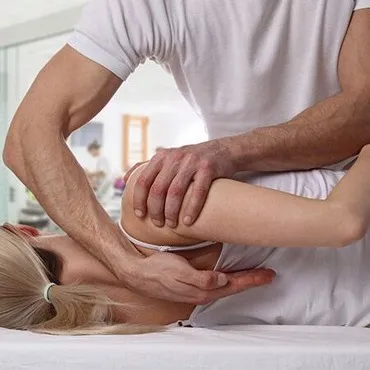
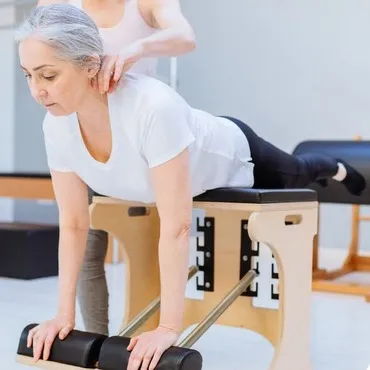
Physiotherapy for a herniated disc is built around muscle strengthening exercises, stretching and posture training. In addition, manual therapy and specific techniques can be used to reduce pain and improve spinal stability. At a later stage, the core muscles are strengthened with clinical pilates.
Every client’s situation is different, so the treatment plan is tailored to you after a detailed assessment. For more information, see our lower back pain page, or contact our physiotherapist in Şişli, Mecidiyeköy, or ask about home physiotherapy in Istanbul.
The information on this page is for general guidance only and does not replace diagnosis or treatment. Please consult a healthcare professional about your symptoms.