What is a meniscus tear?
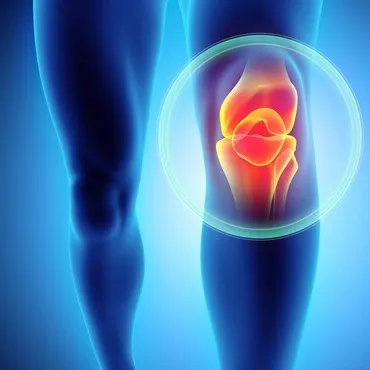
The menisci are two C-shaped cartilage cushions in the knee joint, between the thigh bone and the shin bone. They distribute the load on the knee, absorb shocks and contribute to joint stability. A tear in this structure is called a meniscus tear.
In younger people and athletes, tears usually happen during forceful movements, such as a sudden twist of the knee while the foot is planted, or bending and straightening under load. In older adults, the meniscus wears over time, so a tear can develop even with simple movements such as squatting or standing up.
What are the symptoms?
- Pain in the knee, usually on the inner or outer side
- Swelling that develops within hours or a day after the injury
- A catching or locking feeling in the knee
- Crackling or clicking during movement
- Difficulty fully bending or fully straightening the knee
- Instability, as if the knee might give way
These symptoms usually get worse during activity, going down stairs, squatting or bending and straightening.
If the knee locks completely and won’t straighten, you cannot put weight on it, there is sudden marked swelling, or swelling with fever and redness, see a physician without delay. The type and location of the tear are determined by a physician’s examination and an MRI.
How is it treated with physiotherapy?
Whether treatment is non-surgical or after surgery, physiotherapy for a meniscus tear focuses on restoring knee function:
- Pain and swelling control: Adjusting activities, cold therapy and physical therapy modalities
- Range-of-motion work: To make bending and straightening the knee easier
- Strengthening and stability exercises: For the front and back of the thigh, the hip and the calf
- Balance and coordination exercises: To improve control of the knee
- Manual therapy: To ease joint movement and the surrounding tissues
- Return to sport and daily activities: With a gradual, controlled plan
Severe or locking tears may need surgery; in that case physiotherapy is a key part of rehabilitation after the operation and progresses in line with your surgeon’s recommendations. Treatment is tailored to the type of tear and your situation.
For more information, see our knee pain page. You can get support at our physiotherapy clinic in Şişli, Mecidiyeköy, or with our home physiotherapy service in Istanbul.
The information on this page is for general guidance only and does not replace diagnosis or treatment. Please consult a healthcare professional about your symptoms.