What is a rotator cuff tear?
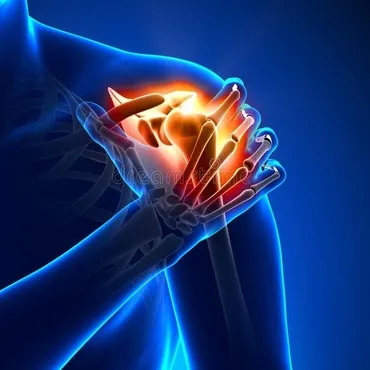
The rotator cuff is a structure made up of four muscles and their tendons that surround the shoulder joint and hold the head of the upper arm bone in the socket. It allows us to lift and rotate the arm and keep the shoulder stable. A partial or complete tear in the tendon of one or more of these muscles is called a rotator cuff tear.
Tears can happen in two ways: through injuries such as a fall, landing on an outstretched arm or suddenly lifting a heavy load, or through gradual wear of the tendon with age and repeated overhead movements (painting, stacking shelves, swimming, tennis and so on). They are more common after the age of 40.
What are the symptoms?
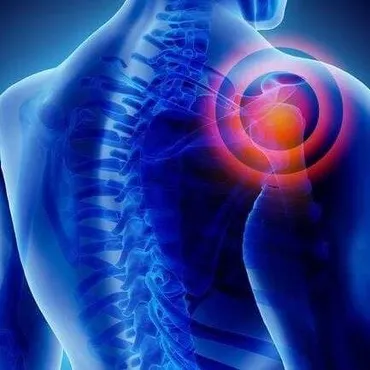
- Pain in the shoulder, sometimes spreading to the outer side of the arm
- Pain that gets worse when lifting the arm up or out to the side
- Weakness when lifting, reaching and carrying
- Night pain that gets worse when lying on the shoulder
- Restricted movement and an occasional crackling feeling in the shoulder
With wear-related tears, symptoms usually start slowly and get worse over time.
If you suddenly cannot lift your arm after a fall or blow, or you have marked weakness, a deformed shoulder or swelling, see a physician without delay. The type and size of the tear are determined by a physician’s examination and imaging.
How is it treated with physiotherapy?
Physiotherapy for a rotator cuff tear is planned according to the type of tear, whether surgery was done and your needs. In general, it follows these stages:
- Pain control: Adjusting movements that strain the shoulder and using pain-relieving methods
- Range of motion and stretching exercises: To prevent shoulder stiffness
- Muscle strengthening: Progressive strengthening of the intact rotator cuff muscles and the muscles around the shoulder blade
- Posture correction: Rounded shoulders and a hunched posture can increase the load on the shoulder
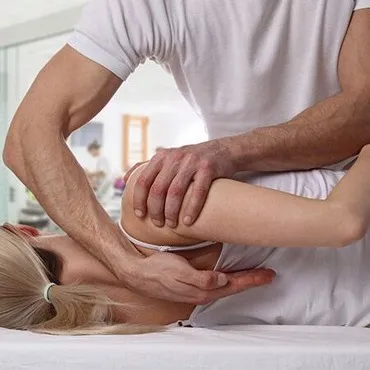
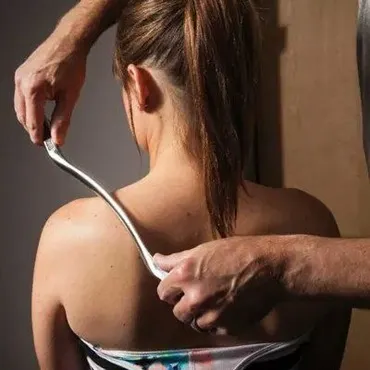
- Manual therapy: Techniques for the joint and soft tissues, supported by the Graston technique if needed
The aim is to restore shoulder function and support a confident return to daily life and work. After surgery, the program progresses in line with your surgeon’s recommendations.
For more information, see our shoulder pain page, or get in touch for an assessment at our physiotherapy clinic in Şişli, Mecidiyeköy, or at your home.
The information on this page is for general guidance only and does not replace diagnosis or treatment. Please consult a healthcare professional about your symptoms.