What is scoliosis?
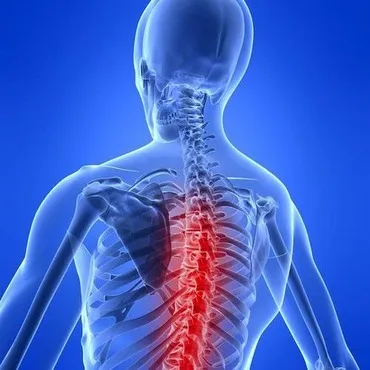
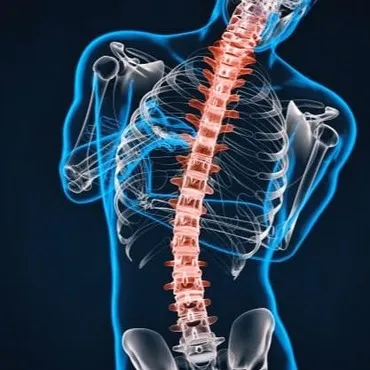
Scoliosis is a condition in which the spine curves abnormally to the side. Viewed from behind, a spine that should be straight forms a curve resembling the letter “C” or “S”. This curve is often accompanied by rotation of the vertebrae around their own axis.
The most common type is idiopathic scoliosis, whose exact cause is unknown and which usually appears in adolescence. Scoliosis can also develop because of congenital differences in the spine, muscle and nerve disorders, or a difference in leg length.
What are the symptoms?
- One shoulder higher than the other
- One shoulder blade more prominent
- Uneven hip height, with one side of the waist looking more curved in
- A noticeable bulge (hump) on one side of the back when bending forward
- Lower or upper back pain, and tiredness after standing for long periods
Changes in the shape of the spine are usually noticed in posture, in front of a mirror or when bending forward. Mild scoliosis often causes no pain, which is why regular observation is important.
If the curve increases quickly, or you have shortness of breath, numbness or weakness in the legs, or severe back pain, see a physician without delay. When scoliosis is suspected, the diagnosis and degree of the curve are determined by a physician’s examination and an X-ray.
How is it treated with physiotherapy?
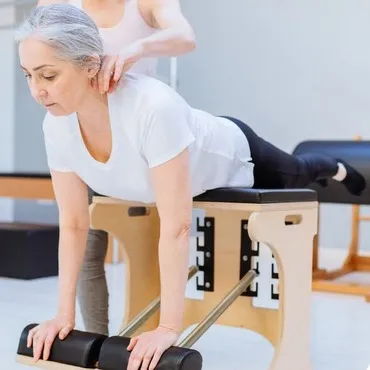
Physiotherapy for scoliosis is built around posture training and muscle strengthening and stretching exercises. Scoliosis-specific exercise programs, planned according to the direction and type of the curve, aim to improve posture, balance the trunk muscles and reduce pain. Breathing work also plays an important role in these programs.
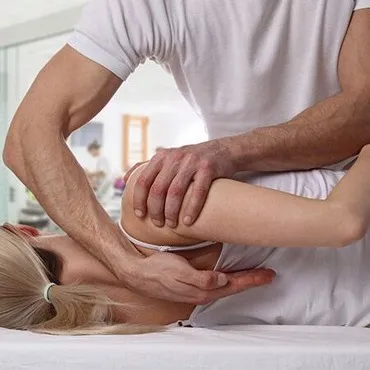
Where there is pain and muscle tension, manual therapy with spinal mobilization and soft tissue techniques can be used. Clinical pilates is often added to strengthen the muscles around the trunk in a balanced way.
Treatment is planned individually according to the degree of scoliosis, the person’s age, whether they are still growing and their general health. When a brace or surgery is needed, physiotherapy supports the treatment managed by the physician.
For scoliosis and upper back pain, you can book an assessment at our physiotherapy clinic in Şişli, Mecidiyeköy, or at your home.
The information on this page is for general guidance only and does not replace diagnosis or treatment. Please consult a healthcare professional about your symptoms.